Landscape Lighting: How to Plan and Power Your Outdoor Space
You spend time and money creating beautiful landscaping around your Huntsville home. After dark, none of it is visible — unless you invest in a well-planned landscape lighting system. The right lighting transforms your property after sunset, creating safety, curb appeal, and an inviting atmosphere that extends the enjoyment of your outdoor space well into the evening.
Landscape lighting installation in Huntsville is more accessible than most homeowners expect, but it still requires electrical work that must be done correctly to be safe and long-lasting. This guide covers how to plan a landscape lighting system, what types of fixtures work best for North Alabama's climate, and why working with a licensed electrician ensures your system performs year after year.
Step 1: Plan Your Landscape Lighting Layout
Good landscape lighting starts with a plan, not a shopping trip. Before choosing a single fixture, walk your property at night with a flashlight and identify three things: areas that feel unsafe or uninviting after dark, features you want to highlight (trees, beds, architectural elements), and the locations of any existing outdoor outlets.
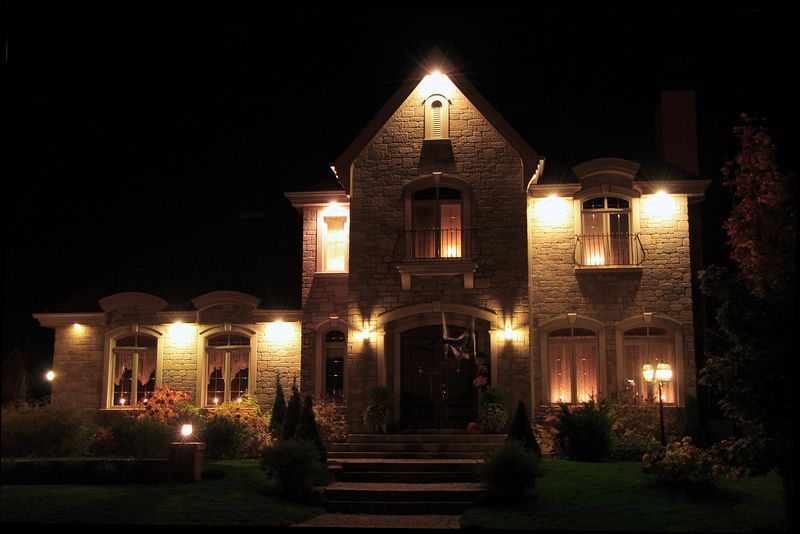
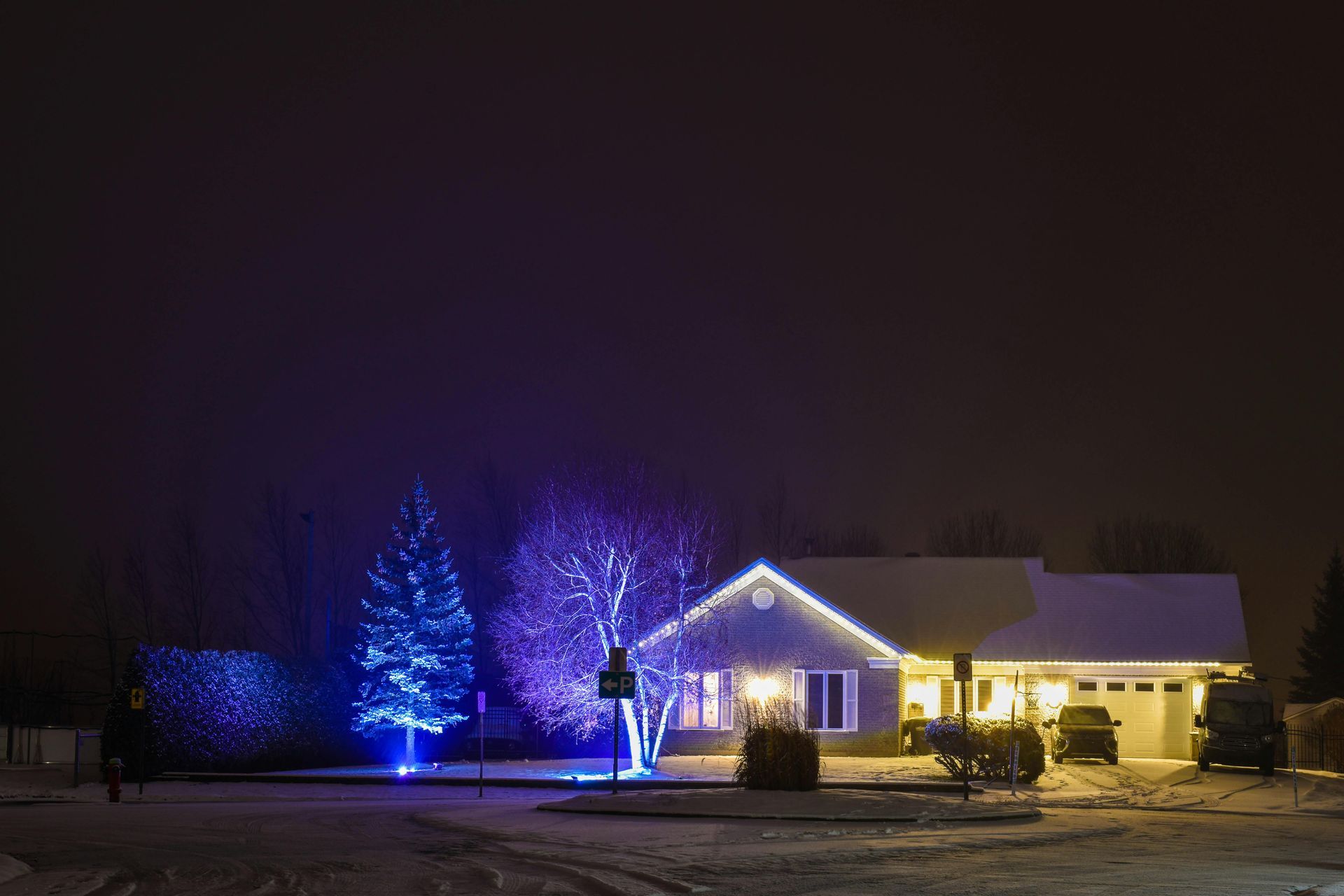
The most effective landscape lighting systems layer three types of light: path lighting along walkways and driveways for safety, accent and uplighting for drama and curb appeal, and ambient lighting near gathering spaces. You don't need all three everywhere — decide which areas need which type and let that guide your fixture choices and layout.
Think about what you want to highlight most. A mature magnolia or oak tree lit from below becomes a dramatic focal point. A curved garden bed outlined with path lights draws the eye through the landscape. A lit water feature creates movement and reflection that looks stunning after dark. Pick your two or three most important focal points and build the plan around them rather than trying to light everything equally.
Step 2: Choose the Right Landscape Lighting Fixtures
The landscape lighting market offers dozens of fixture styles, but they fall into a few practical categories that serve distinct purposes:
- Path lights: Low stake-mounted fixtures that cast a downward glow along walkways, driveways, and garden edges. They provide safety lighting and define the edges of your landscaping. Choose fixtures with a spread lens rather than a spotlight — you want a wide, soft pool of light, not a harsh beam.
- Uplights: Ground-level fixtures that point upward to illuminate trees, shrubs, columns, or walls. These create the most dramatic landscape lighting effects. Adjustable-head uplights give you flexibility to redirect the beam as plants grow.
- Spotlights: Directional fixtures on adjustable stakes used for accent lighting on specific plants or garden features. More focused than uplights, they work well for highlighting a single specimen plant or garden sculpture.
- Well lights: Fixtures installed flush with the ground, ideal under trees where a stake-mounted uplight would be a tripping hazard. They are more work to install but virtually invisible during the day.
- Downlights: Mounted in trees or on tall structures to simulate natural moonlight falling through the canopy. The effect is subtle and beautiful — one of the most sophisticated landscape lighting techniques available.
For North Alabama's climate, always choose fixtures rated IP65 or higher for weatherproofing. Alabama's humidity and summer thunderstorms are hard on outdoor fixtures, and lower-rated units corrode, fill with moisture, and fail prematurely. LED fixtures are the right technology for every landscape application — they handle heat, cold, and humidity better than incandescent alternatives, use far less energy, and typically last 25,000 hours or more.
Step 3: Plan Your Power Source
This is where landscape lighting planning gets technical — and where a licensed electrician becomes essential. Every landscape lighting system needs a power source, and that power source must be properly installed and protected.
Most residential landscape lighting runs on a low-voltage (12-volt) system powered by a transformer. The transformer plugs into an outdoor outlet and steps down the household current to 12 volts, which then powers the landscape fixtures through low-voltage cable buried just below the surface or laid under mulch. This system is efficient, flexible, and safe to handle — but it requires a weatherproof, GFCI-protected outdoor outlet for the transformer to plug into.
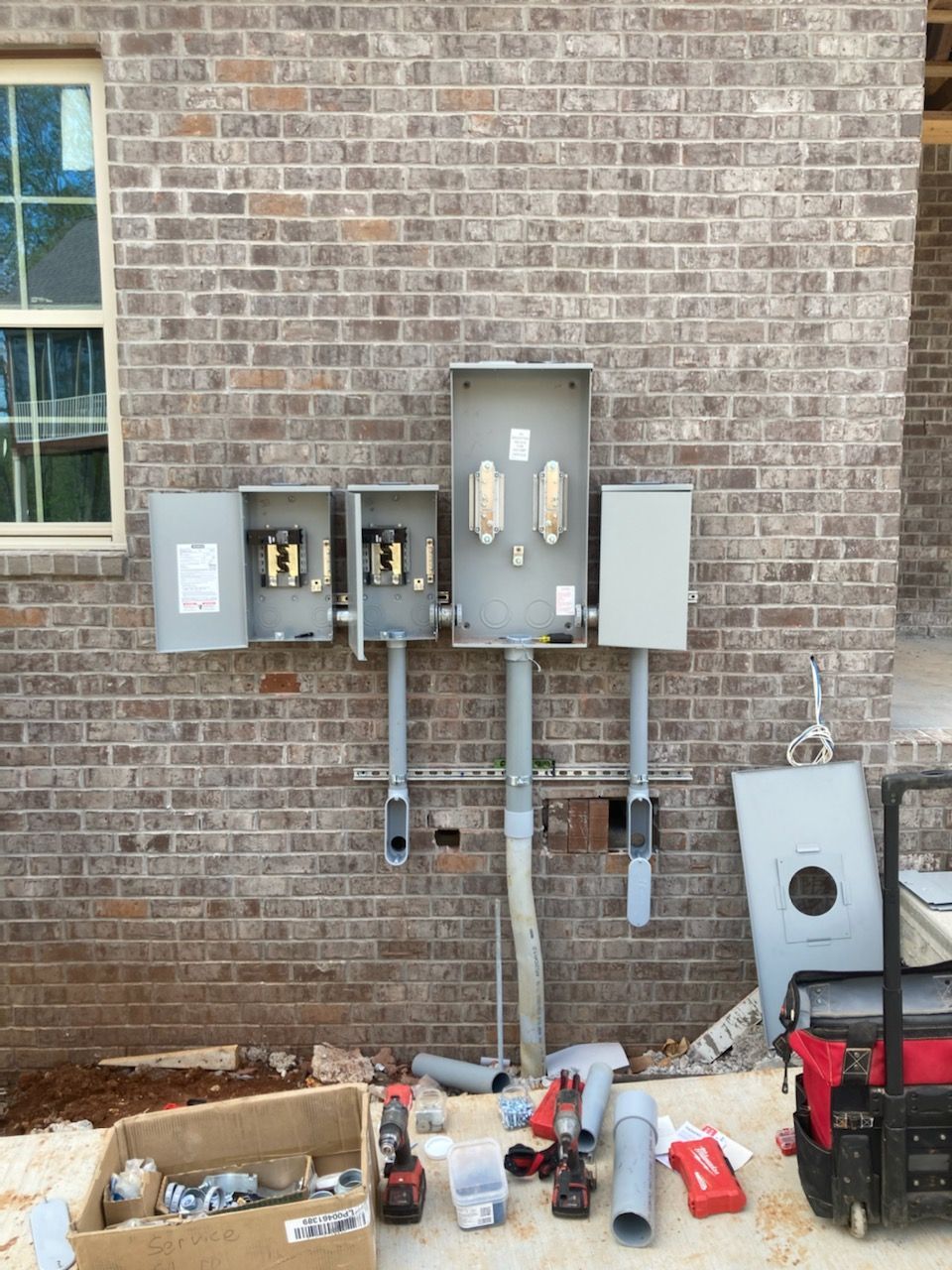
If you don't already have a suitable outdoor outlet in the right location, adding one is the first electrical task of the project. Our residential electrical team handles outdoor outlet installation as part of any landscape lighting project. We run the circuit from your panel, install a weatherproof in-use cover, and make sure the outlet is properly GFCI protected so you're covered if moisture ever reaches the circuit. Hardwired fixtures — spotlights, well lights, and security-grade uplights — need line-voltage circuits run directly from the panel, which is always a licensed electrician job.
For larger landscape lighting systems with many fixtures, transformer sizing is critical. An undersized transformer causes fixtures to run dim and fail early. A properly sized transformer — matched to the total wattage of all connected fixtures with 10 to 20 percent headroom — delivers consistent performance and allows room to expand the system later. Our team calculates this for every installation.
Common Landscape Lighting Mistakes to Avoid
Even well-intentioned landscape lighting projects go wrong when a few key mistakes are made. Here are the ones we see most often:
- Too many fixtures at equal intensity: Lighting everything at the same brightness creates a flat, parking-lot effect. Layer your lighting with brighter focal points and softer fill light.
- Fixtures aimed at neighbors or the street: Uplights and spotlights aimed too high create light trespass and glare. Aim fixture heads carefully to keep the light on your property and your plants.
- Undersized transformers: As mentioned above, this causes dimming and early fixture failure. Don't buy a transformer rated for exactly the wattage you need — leave room to grow.
- Using indoor-rated components outdoors: Extension cords, indoor outlets, and non-weatherproof fixtures degrade rapidly and create serious electrical hazards when exposed to Alabama's outdoor conditions.
- Skipping GFCI protection: Any outdoor outlet used for landscape lighting must be GFCI protected. This is code-required and protects against shock if the circuit is ever exposed to moisture. Read our full explanation in our guide on why exterior GFCI outlets are essential for Alabama homes.
Landscape Lighting and Your Overall Outdoor Space
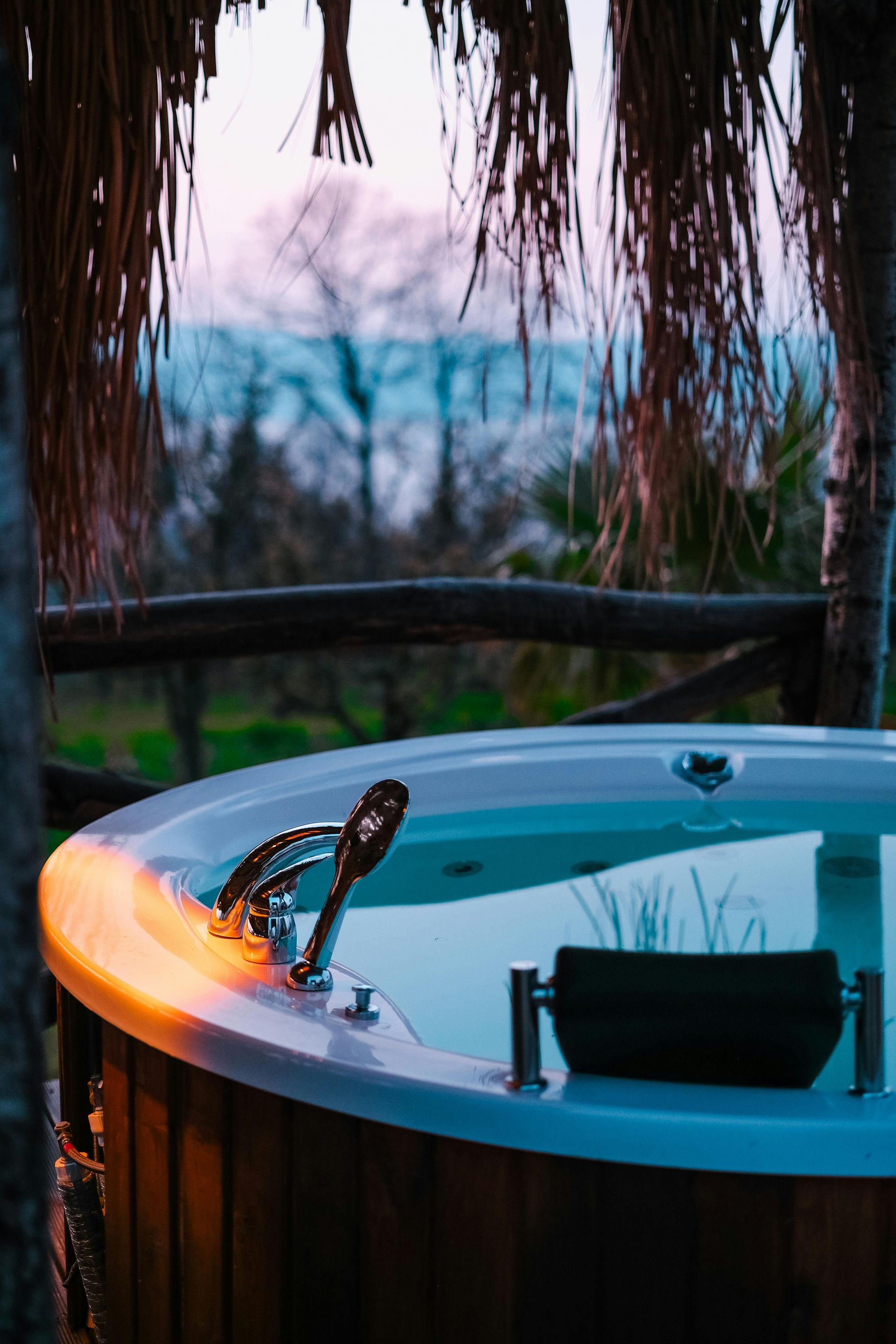
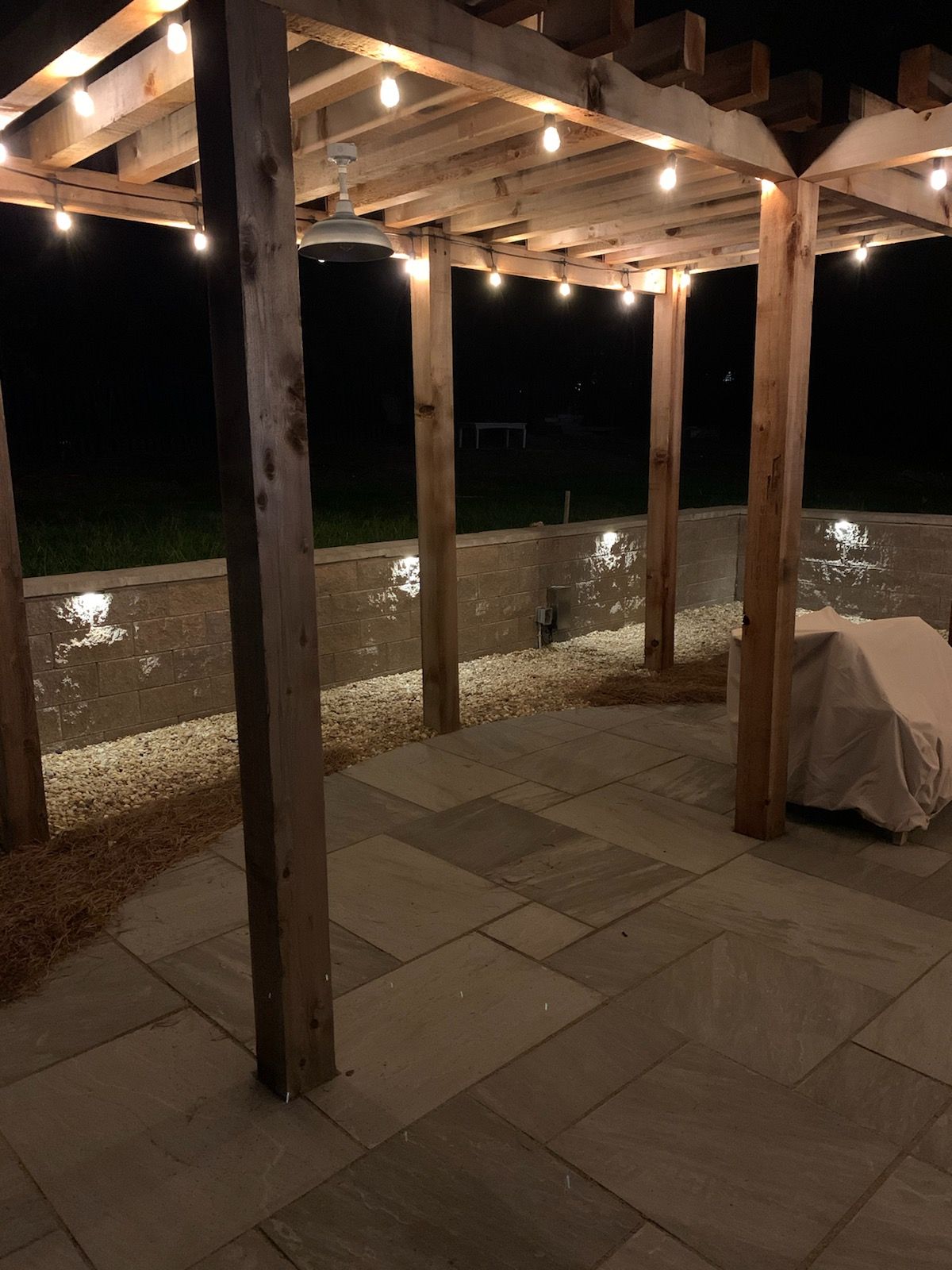
Landscape lighting works best when it is planned alongside the other electrical elements of your outdoor space. If you are also adding a pergola, patio area, hot tub, or outdoor kitchen, coordinating those electrical projects together saves labor costs and ensures all the systems work harmoniously. Our complete guide to outdoor lighting upgrades covers the full scope of outdoor electrical planning for Huntsville homeowners. If a pergola or patio cover is part of your project, read our post on pergola and patio lighting electrical requirements for what that specific installation involves.
Hooser Bro's Electric approaches outdoor electrical projects holistically. Rather than treating landscape lighting as an isolated task, we look at your entire outdoor space and help you plan a system that meets all your electrical needs in one coordinated installation — saving you money and ensuring everything works together. Our lighting services cover every category of residential and outdoor lighting in Huntsville.
Frequently Asked Questions
Is low-voltage landscape lighting safe to install myself?
The fixtures and cable themselves are low-voltage and safe to handle. However, the transformer must plug into a properly installed, GFCI-protected outdoor outlet. If that outlet doesn't exist, adding it requires a licensed electrician.
How many landscape lights do I need?
A good rule of thumb is one path light every 6 to 8 feet along walkways, and one uplight per tree or major shrub you want to highlight. Start conservatively — you can always add more fixtures to a properly sized transformer.
How do I keep my landscape lights working long-term?
Use quality LED fixtures rated for outdoor use, keep the transformer's timer updated seasonally, and check fixture connections annually for corrosion. Staking fixtures too deep in mulch traps moisture around the socket — keep the fixture head above the mulch line.
What is the best time of year to install landscape lighting in Huntsville?
Spring and fall are the most comfortable times to install because the ground is workable and the heat is manageable. However, we install year-round — Alabama winters are mild enough that installation is practical in any month.
Plan Your Landscape Lighting with Hooser Bro's Electric
The right landscape lighting installation elevates your Huntsville home's appearance, safety, and enjoyment after dark. Hooser Bro's Electric brings licensed electrical expertise to every landscape lighting project — from adding the outdoor outlet your transformer needs to running full hardwired circuits for accent lighting throughout your property.
Contact us today at 256-694-9578 to schedule your free assessment and start planning a landscape lighting system that makes your Huntsville home look its best — day and night.